Creating an Enabling Environment for Growth
1st November 2025
Parent-teacher consultations have been buzzing with energy over the past two weeks, as our Year 11, 12, and 13 students and their parents and guardians engaged directly with their teachers. These moments can be both exciting and nerve-racking for our learners, a time to reflect, to celebrate progress, and to set new goals. They remind us that learning is not just about grades or reports, but about growth, effort, and mindset.
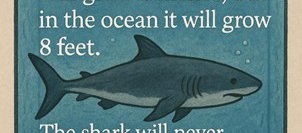
A shark in a fish tank grows only eight inches, but in the ocean it can grow to eight feet.
Our learners are destined for the ocean, not the tank. Their potential is vast, and our shared role as teachers and parents is to ensure that the environment around them nurtures this growth.
Psychologist Carol Dweck’s research on mindset highlights two key ways we can view our abilities:
● Fixed mindset: The belief that intelligence and talent are static and unchanging.
● Growth mindset: The belief that intelligence, skills, and abilities can be developed through effort, feedback, and persistence.
Students with a growth mindset tend to:
● See challenges as opportunities rather than threats.
● View mistakes and feedback as information for improvement, not signs of failure.
● Persist when things get difficult and adapt their strategies to overcome obstacles.
Creating a growth mindset environment is not about simply telling students to try harder. It is about providing meaningful feedback, modelling curiosity, and supporting learners when they struggle, helping them understand that growth comes through effort and reflection.
Applying the Research…
At Braeburn, we aim to create classroom environments where growth is part of the culture:
● Students are encouraged to say, “I don’t know yet.”
● Teachers model curiosity by asking, “What strategy can I try next?” rather than “Was it right or wrong?”
● Feedback focuses on the learning process: “I noticed you tried three different approaches, excellent reflection on what worked.”
● Struggle is recognised as a sign of learning, not failure. Our environment values growth over comfort.
Parents and guardians play a powerful role in reinforcing this mindset:
● When children come home with results that are not perfect, ask: “What did you learn from that?” instead of “Why did you get that mark?”
● Encourage the phrase “not yet” instead of “I can’t.” That single word transforms frustration into possibility.
● Celebrate effort, persistence, and creative problem solving, not just final results.
When learners believe they can grow, and when the adults around them provide enabling environments that stretch rather than restrict, the tank is no longer the limit - the ocean becomes their horizon.
Together, teachers, parents, and students, we can create that environment where every learner flourishes.
“The tank was never the problem; it was just too small for who you are meant to become.”
Ms. Noela Gichuru
Deputy Headteacher– Academic